
The Bali Cafés That Changed How I Think About the Dining Experience
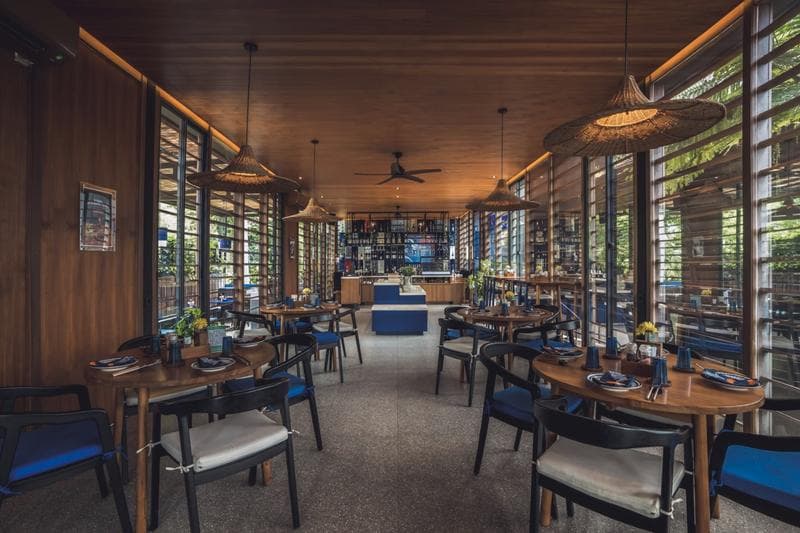
I spend a lot of time thinking about what makes a dining experience worth repeating. The food is only part of it , often not even the largest part. The space, the light, the way a place feels at different hours of the day: all of that matters more than most menus want to admit.
Bali, as it turns out, understands this better than almost anywhere I’ve been.
The Café Scene Is Serious
I had low expectations for Bali’s café culture. I was wrong. The concentration of well-designed, genuinely interesting cafés in areas like Canggu and Seminyak is higher than in most major cities I’ve visited. Some of it is Instagram-driven and not always worth the attention. But a surprising amount of it is actually good.
The best ones are built around the landscape rather than despite it. Open-air structures facing rice fields, rooftop seating that catches the afternoon breeze, courtyards designed to hold the morning light for as long as possible. The architecture is doing work that the food has to live up to.
The Problem with Eating at the Most Visible Places
The restaurants with the biggest signs, the English menus displayed outside, and the photographs of every dish on the wall are almost never the best meal you’ll have. I wasted two dinners at places like that before I started asking different questions.
My driver on day three mentioned a warung he actually eats at. The total cost of lunch was embarrassing compared to what I’d been spending. The food was better than anything else I had on the trip.
That gap , between what’s easy to find and what’s worth finding , is one of the defining features of eating well in Bali.
How the Photography Tour Changed My Dining
A local I met suggested looking into a bali instagram tour , not primarily for the food angle, but because the best dining spots and the most visually interesting locations on the island are often in the same places. The guides who run these tours know the back lanes, the old compounds, the parts of the island where the tourist infrastructure is still thin.
The guide we had mentioned a rooftop café near one of our morning stops that he described as worth knowing about. He was right. I went back two days later for the golden hour and stayed through dinner. It was the kind of place that has clearly always been what it is , not designed for visitors, just open to them.
What the Best Bali Dining Rooms Have in Common
After two weeks of eating well and less well, I started noticing a pattern. The places I wanted to return to all shared a quality: they felt like they existed before tourism arrived and would exist after it receded. The menu was limited. The owner was visible somewhere. The chairs were functional, not styled.
Those places tend to be in the same parts of the island that are visually interesting for other reasons , which is why the overlap between the photography tour world and the honest dining world makes more sense than it initially sounds.
A Few Experiences That Held Up
Late breakfast at a north Ubud warung , Nasi campur with six small dishes, all made that morning. The food was excellent, the setting unremarkable, and the whole thing cost less than a coffee at most of the cafés closer to the main road.
A rooftop café in Canggu at golden hour , Found through the guide’s recommendation during the photography morning. The food was good, but the light between 5 and 7 PM was the real reason to be there. The kitchen was smart enough to serve food worth sitting through that hour for.
A cooking session at a home outside Ubud , An older woman who took small groups into her kitchen to learn the spice paste that goes into almost everything. Less cooking class, more three hours in someone’s kitchen watching how it’s actually done. She cooked the whole meal afterward and we ate together.
What Bali Gets Right About the Dining Environment
Bali Touristic has useful resources for first-time visitors trying to get a practical sense of the island before they arrive. I’d been using the site for logistics and orientation, and the information translated well once I was actually on the ground making decisions.
The key thing it helped clarify , and the key thing I took from the trip itself , is that in Bali, the environment is genuinely inseparable from the experience. The food tastes different in the right setting. The setting is part of the meal. That’s true of the high-end places and equally true of the plastic chair warung at the edge of a rice field.
The One Useful Filter
My one working heuristic for finding good food anywhere: look for the version of this place that existed before social media. Can you see evidence of what it was ten years ago? Does it feel like it has a reason to exist beyond being photographed?
In Bali, that question sorts the interesting places from the constructed ones faster than any review site. The places with real history are usually the ones worth sitting down in.

